stephenhung.

I build AI agents and full stack apps.
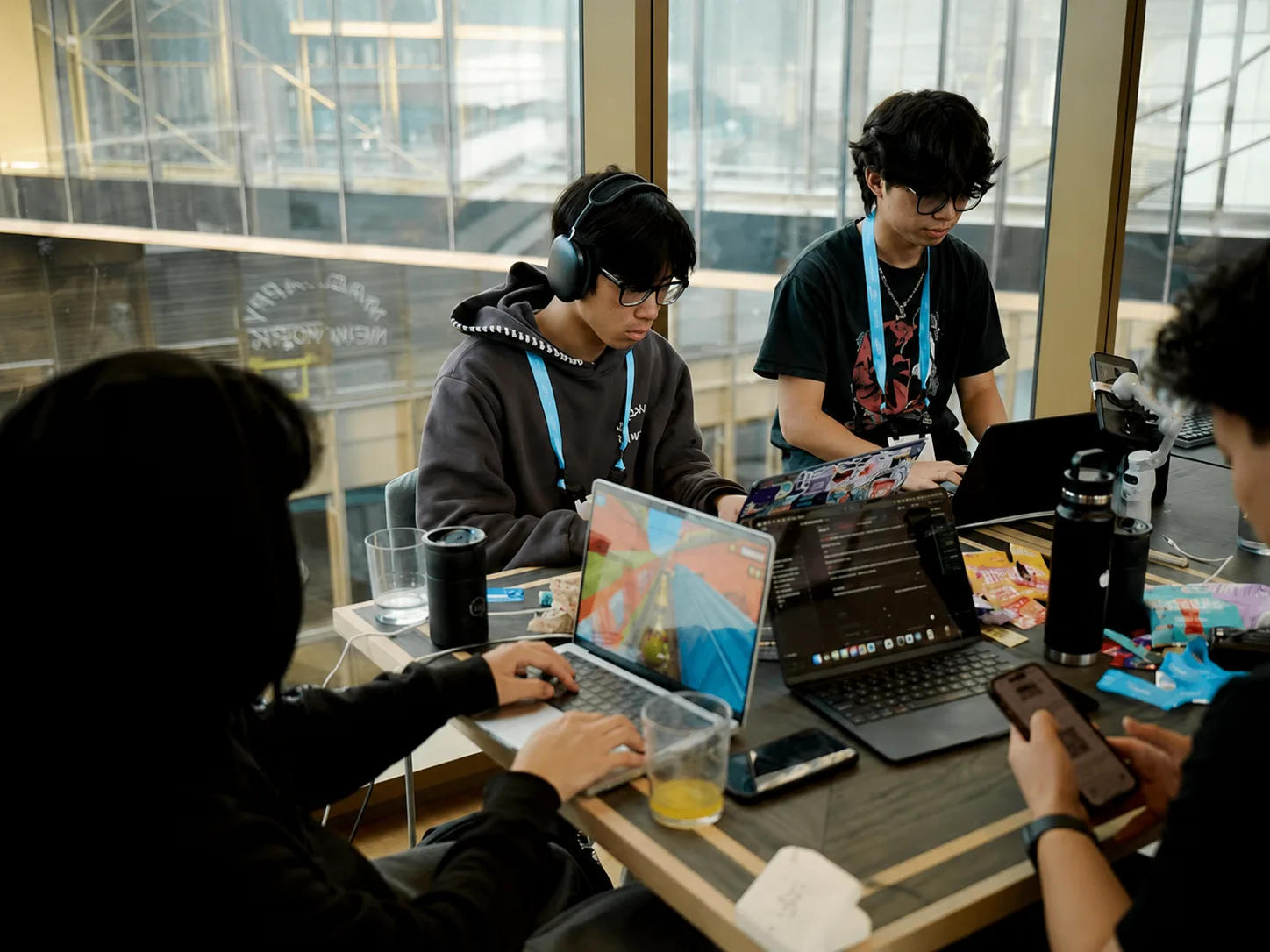
Stephen Hung at the OpenAI hackathon

I’ve shipped projects across voice agents, computer vision, developer tools, and onchain infrastructure. Recent work includes a top-five OpenAI Codex hackathon project, a Pump Fund investment, and award-winning builds at Caltech, UC Berkeley, UC Davis, UCSB, UCR, etc.

skills.

Walmart
·
OpenAI
·
NVIDIA
·
Anthropic
·
Gemini
·
Y Combinator
·
pump.fun·
Cal Hacks·
MLH
·
Solana
·
Sui·
ElevenLabs
·
LiveKit
·
XRPL
·
Berkeley·
Walmart
·
OpenAI
·
NVIDIA
·
Anthropic
·
Gemini
·
Y Combinator
·
pump.fun·
Cal Hacks·
MLH
·
Solana
·
Sui·
ElevenLabs
·
LiveKit
·
XRPL
·
Berkeley·
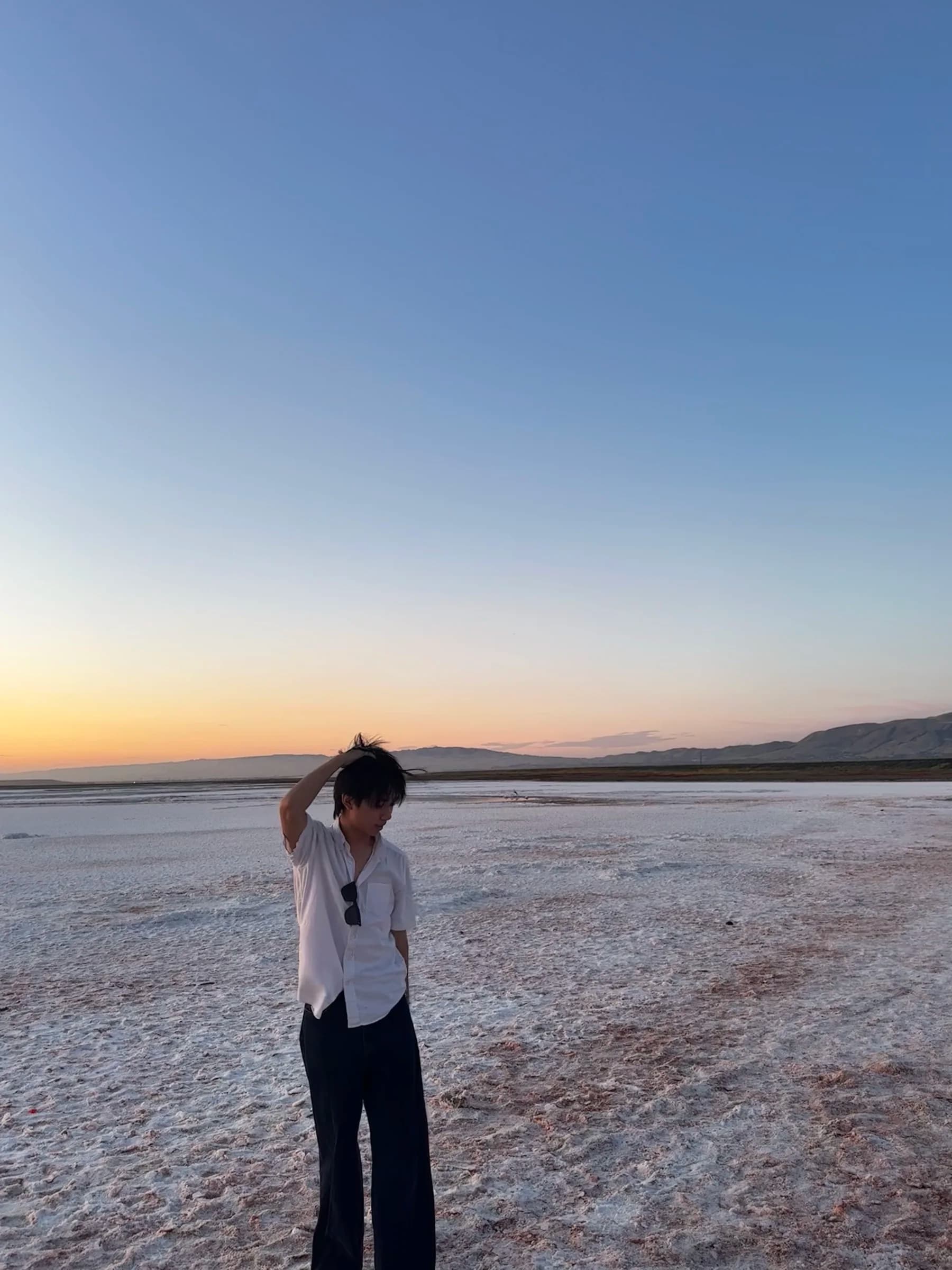
Stephen Hung at sunset in the salt flats
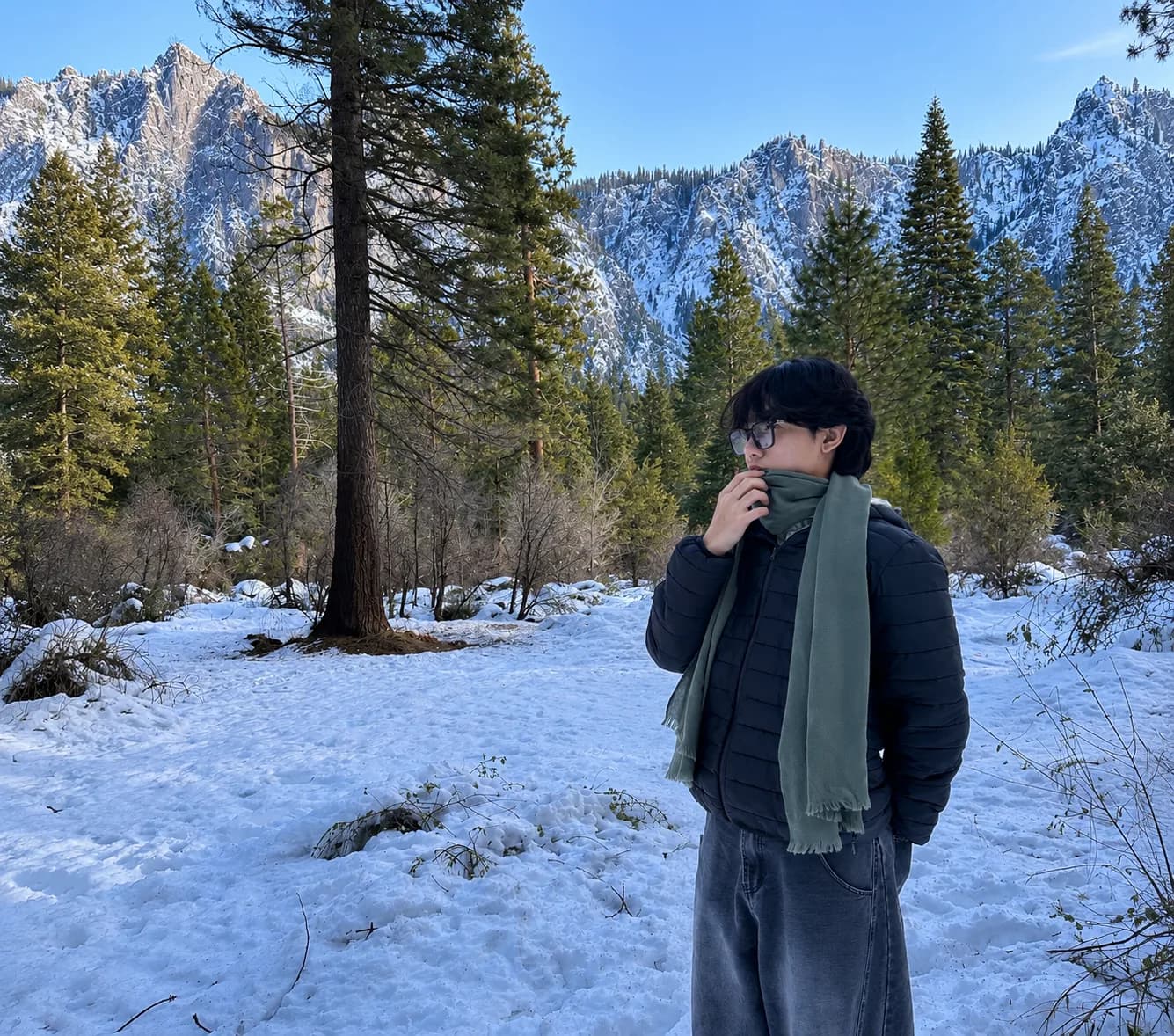
Stephen at Yosemite
stack.
ReactNext.jsTypeScriptTailwindGSAPThree.jsFastAPIBunConvexExpressClaude APIGeminiOpenAI CodexLiveKitElevenLabsYOLOSAMCLIPmanimCOLMAPSui MoveXRPLSolanax402VercelRailwayDocker
experience.
Walmart Global Tech
ai/ml engineer intern
built real-time computer vision and re-identification systems, an agent-driven end-to-end testing platform, and personalized multi-tower search ranking for walmart.com.
june 2026 - aug 2026
Enactus Berkeley
member
advising technical founders at uc berkeley and designing beautiful applications for internal use.
since spring 2026
Cal Blueprint
software developer
building react native + expo app replacing replate's pen and paper donation logging across a network rescuing 1m+ lbs of surplus food annually for 80+ recipient nonprofits. architected token based auth extending their ruby on rails backend.
since sept 2025
ClearPath Medical
software engineering consultant
built a pfmea automation tool with fastapi + llms that converts work-instruction pdfs into risk assessments. cut analysis time for fda-compliant medical device qc by 85%. websocket job tracking, 4-phase validation pipeline, local sqlite to keep phi off the network.
fall 2025
Theta Tau
professional development chair
professional engineering fraternity at uc berkeley. ran professional development programming for the active body.
fall 2025
OptiGenix
software engineering intern
trained a generative ai model on google vertex ai to 92.3% extraction accuracy on 60 unstructured blood test pdfs. built the gcp pipeline behind 7,500+ monthly pdf uploads. iam scoping, encryption at rest, audit trails so the hospital side passed compliance review.
summer 2025
faqs.

EECS at UC Berkeley, class of '28. Started shipping in middle school with a JavaScript Mother's Day card, then VEX robotics captain (PID + odometry for autonomous routines), then FBLA nationals (mobile + computer programming), now hackathons. Valedictorian out of Ayala HS, GPA 4.69. Currently involved across several technology organizations at UC Berkeley, building whatever catches my interest in my free time.

Honestly, whatever's pulling me. Random corporate and collegiate hackathons every few weeks, side projects with friends that start in a discord call at 2am, design work for people who vibe with my taste, and a rotating stack of personal builds I'll ship when they're good. Always one project shipping, one being rebuilt, one fresh, usually too many at once. If something's interesting enough to break my sleep schedule for, I'm probably already on it.

I just finished at Walmart Global Tech and am searching for summer 2027 internships, high-signal collaborations, and post-grad full-time roles beginning in 2028. I’m most interested in agentic systems, computer vision, generalist software engineering, and product-focused frontend work. Email me with the role and I’ll reply within 48 hours.

If it's a hackathon, pick something that demos in 90 seconds and could keep going for a year. If it's a personal project, pick the part of the stack I haven't shipped before. Either way, the rule is novel tech + a constraint that forces taste. Lapis came from "can crypto conditions enforce vesting without lawyers," Opal came from "can an agent actually queue up with you," Yolodex came from "can you turn a YouTube clip into a trained YOLO model overnight."

Bun > npm. Vite > CRA. TypeScript strict. FastAPI for the backend, Next.js for the frontend, GSAP for motion. AI work in Python or Bun depending on which one's faster to ship. I optimize for how fast I can rebuild something, not how clever the architecture looks.